
Looking Up Lemon Grove Neighbors
A block search begins with a known address and asks a narrow question: which parcels touch it, who is tied to each parcel in the assessor record, and which public sources can add historical or civic context? SanGIS is the geometry layer. ARCC is the custodian for assessed property and recorded instruments. City planning files may show a permit applicant or project address. Historical reverse directories can place an occupant at a house number in an earlier year. These sources describe different relationships, so a name in one row should never be presented as a complete list of current neighbors.
| Source | What It Shows About a Block | Access |
|---|---|---|
| SanGIS parcels | Adjacent polygons, APNs, streets, and boundary layers | Free map and open data |
| ARCC assessor record | Assessed ownership, property traits, and mailing destination | Phone, kiosk, or limited ParcelQuest |
| Recorder index | Transfers, easements, liens, and legal descriptions | Web index, copies, and kiosk |
| City permits and planning | Project address, applicant, agent, and dates when disclosable | Counter or focused CPRA request |
| Reverse directories | Past occupants in house-number order | Library or selected digital volumes |
Ownership is not occupancy. A situs address locates the land, while the mailing address receives assessment notices and may point to a trust, business, post office box, or another property. A permit may name an owner or agent without listing a household. The voter roll is not available for casual block browsing. Together, the records can support a lawful research lead, but they do not establish every person who lives nearby.
Map a Lemon Grove Block with SanGIS
SanGIS is the best first tool for seeing the shape of a Lemon Grove block. Search or zoom to the known address, turn on parcel and jurisdiction layers, click the target polygon, and write down its APN. Then click each touching polygon in sequence. A map can show geometry, streets, and district layers, but it is not certified title. Ownership still needs an ARCC check.
The process is more reliable when the block is defined before names are sought. A visual buffer is not a legal neighborhood boundary. Use the nearest parcel edges, alleys, and public streets as a research frame, then keep the APNs in a private work list rather than publishing a block roster.
Lemon Grove APNs Need ARCC Verification
An assessor parcel number is a map key, not a person's name and not a permanent street identity. ParcelQuest Lite accepts an address, APN, city, or ZIP as search paths, but the research records a 25-search allowance in a rolling 30-day period. The official assessor guidance sends ownership and address questions to phone service or public kiosks. Call the San Diego County Assessor at (619) 236-3771 when a parcel result is incomplete, and treat the mailing destination as separate from the place itself.
For deed context, the Recorder's Official Record Search uses party name, dates, document type, document number, or book and page. Since December 9, 2024, APN searching is no longer available on the web and remains available at five county kiosks. That change matters when a block search starts with a map. Keep the APN, legal description, and any book/page citation together so a later kiosk or counter visit can bridge the parcel to recorded owners.
Boundaries Shape Lemon Grove Neighbors
A postal label can make nearby places look like one block when the custodians differ. ZIP 91945 is the principal verified ZIP associated with Lemon Grove, yet a ZIP is a delivery construct rather than proof of the incorporated city line. SanGIS and the Lemon Grove zoning map should settle jurisdiction before a request goes to City Hall. Historical references can also say Lemon Grove, College Grove, La Mesa, Spring Valley, or San Diego for a community that no longer matches today’s line.
College Grove is a useful warning. San Diego annexed it away from the Lemon Grove area, so a neighborhood name can survive a boundary change. For neighbor research, record the current polygon and the source date, then use the legal description or subdivision map when an older address does not line up with a modern street number.
Turn a Lemon Grove Address into a Block
Once the target APN is known, move outward in a fixed order. The goal is not to make a people list. It is to connect adjacent land to a source that can be checked, while leaving gaps where the law or custodian protects a resident.
- Locate the address in the SanGIS Interactive Map and record the target APN.
- Click each parcel that touches the target and note its APN, jurisdiction, and street context.
- Check assessed ownership through ARCC phone service, a kiosk, or the available property search route; do not call it occupancy.
- Use recorder documents, permits, or historical directories only when the question calls for title, project, or past-household evidence.
When the question expands from the immediate block to every house number on a named road, use the Lemon Grove street directory workflow instead. Neighbors research should stay local to the touching parcels and the sources that genuinely describe them.
Public Contacts Around a Lemon Grove Block
Lemon Grove does not publish a verified umbrella directory of neighborhood associations or a public membership roster. That absence is useful information. A civic contact page may identify an officer or a meeting, but it does not prove who belongs to a block. For a community lead, start with public meetings, city newsletters, CERT or block-watch contacts, and Historical Society programs. Ask for a public contact, not a private member list.
The San Diego Registrar of Voters contact page shows how an official office separates service contact from voter data. The page is a route to the custodian, not a neighborhood directory.
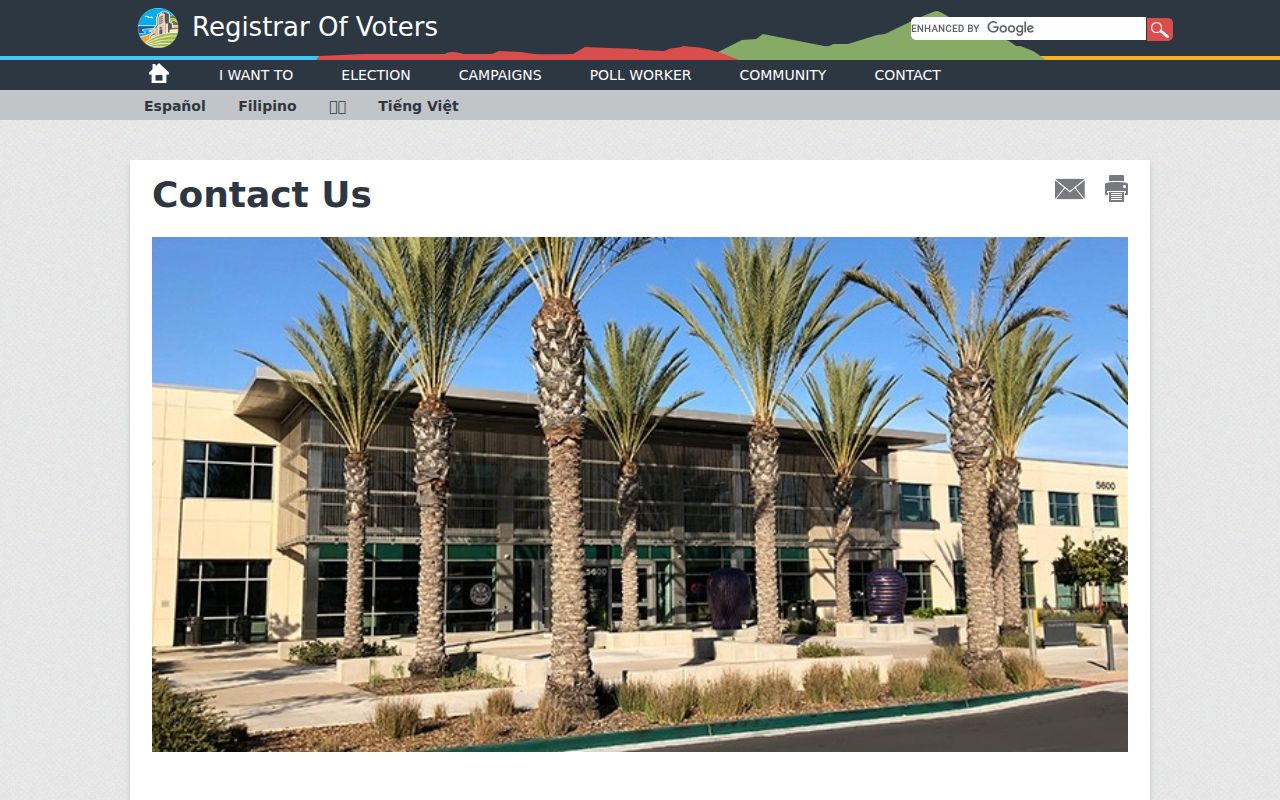
The Registrar contact image reinforces a basic rule: request purpose and handling matter as much as the address on a parcel.
| Public contact | Useful neighbor context |
|---|---|
| Lemon Grove city meetings | Public agendas, speakers, and civic issues tied to a place or project |
| San Diego Registrar of Voters | Official contact and lawful voter-data request route, not casual block browsing |
| Lemon Grove Historical Society | Public programs, photographs, local publications, and family-history leads |
Older Lemon Grove Blocks in Reverse Order
Modern parcel maps show land now. Older city and suburban directories show a block through house numbers and occupant names. The San Diego Public Library shelf spans 1886 to 2021, and separate digitized suburban volumes cover 1955 through 1960. Those suburban books matter because Lemon Grove was not incorporated until July 1, 1977. A past neighbor may be indexed under a regional or suburban heading rather than a Lemon Grove city section.
Read the alphabetic entry first, copy its address exactly, then turn to the street or criss-cross section if that volume has one. A disappearance can mean a move, death, or an unlisted year. Pair the directory with the San Diego Union archive, an obituary, a deed, or a census record before drawing a conclusion. This historical layer belongs to the address’s past, not a current neighbor claim.
Why Voter Data Misses a Block
California’s modern voter file is not an open street directory. A permitted file can contain names, registration dates, residential and mailing addresses, precincts, party preference, and voting history, but Elections Code §2194 limits use to election, scholarly, journalistic, political, or governmental purposes. Commercial use is prohibited, and Elections Code §18109 carries penalties for unauthorized use or transfer.
My Voter Status serves the voter verifying a personal record. It does not let a neighbor browse nearby names. Safe at Home participants and other confidential voters are excluded or restricted, so a missing name may reflect protection rather than an empty house.
The California voter-file request rules make the distinction visible. The public contact point is not permission to assemble a block list.
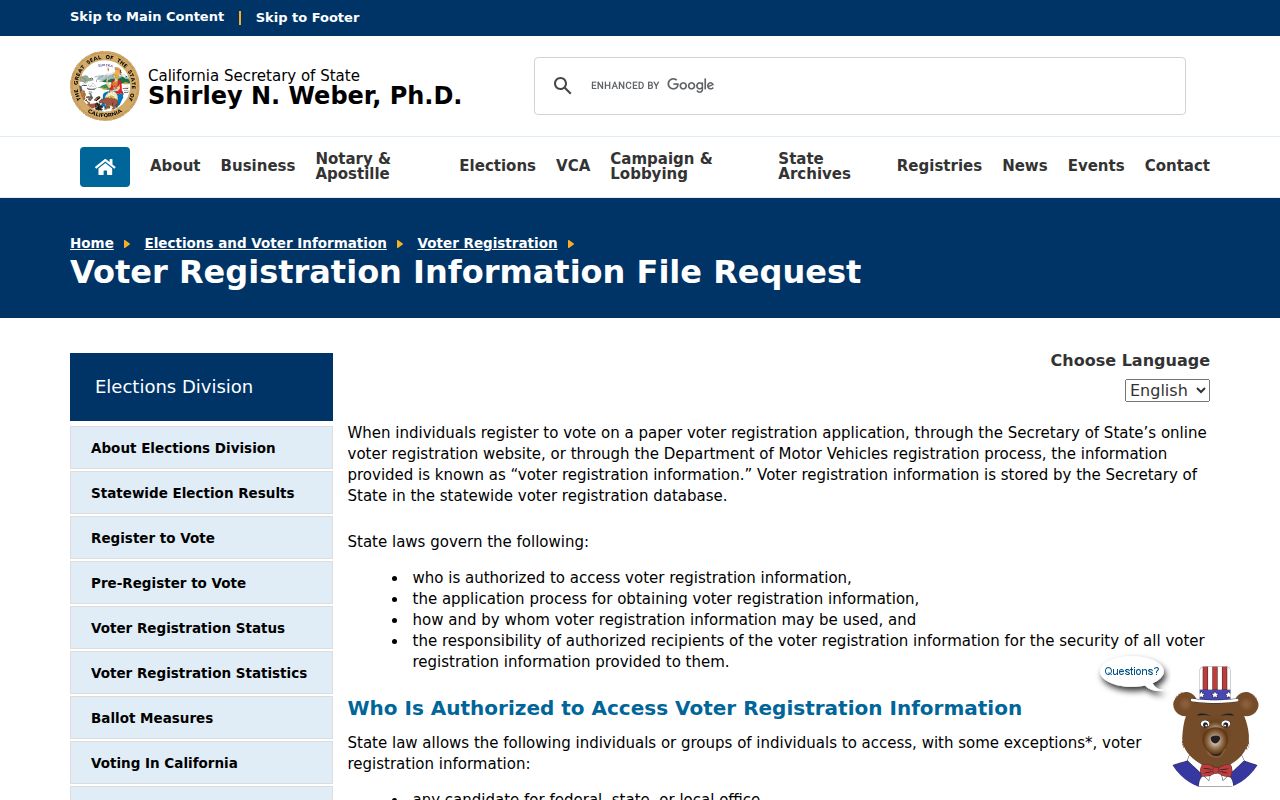
Use the official request rules to decide whether a legitimate research purpose exists, then request only the fields needed and protect the delivered file.
Safe at Home Protects Lemon Grove Residents
Some neighbors are meant to be hard to locate. California’s Safe at Home Address Confidentiality Program gives qualifying people a substitute mailing address and a confidential voter process. Government Code §§6205-6211 and related rules can affect how an address appears in voter and property contexts. The program does not erase every old public record, but it can explain why a normal block search stops.
The Secretary of State Safe at Home page is the right starting point for the program’s protections and enrollment route.
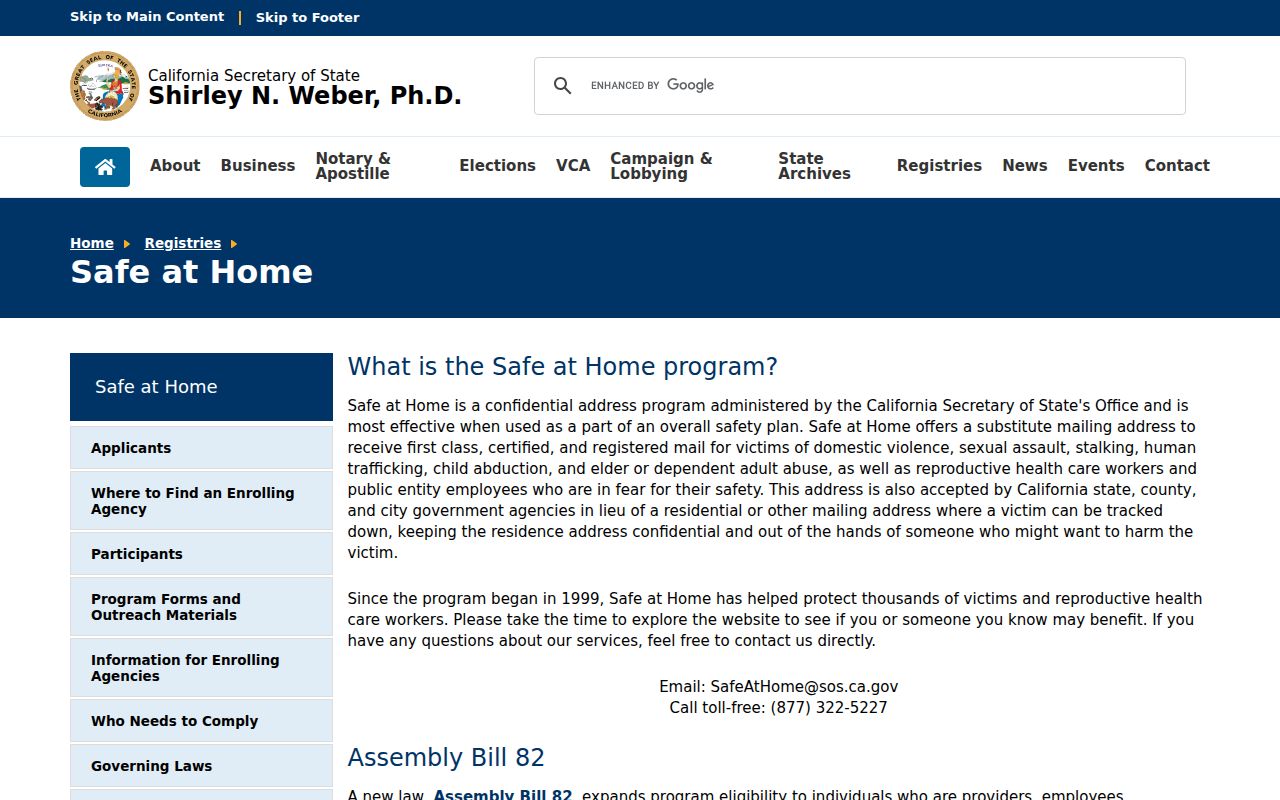
A substitute address is not a data error. It is a safety feature, and it should not be reverse-engineered into a physical location.
The Attorney General’s Safe at Home and deletion guidance also explains that a qualifying written demand can restrict intentional harmful publication under Government Code §6208.1.
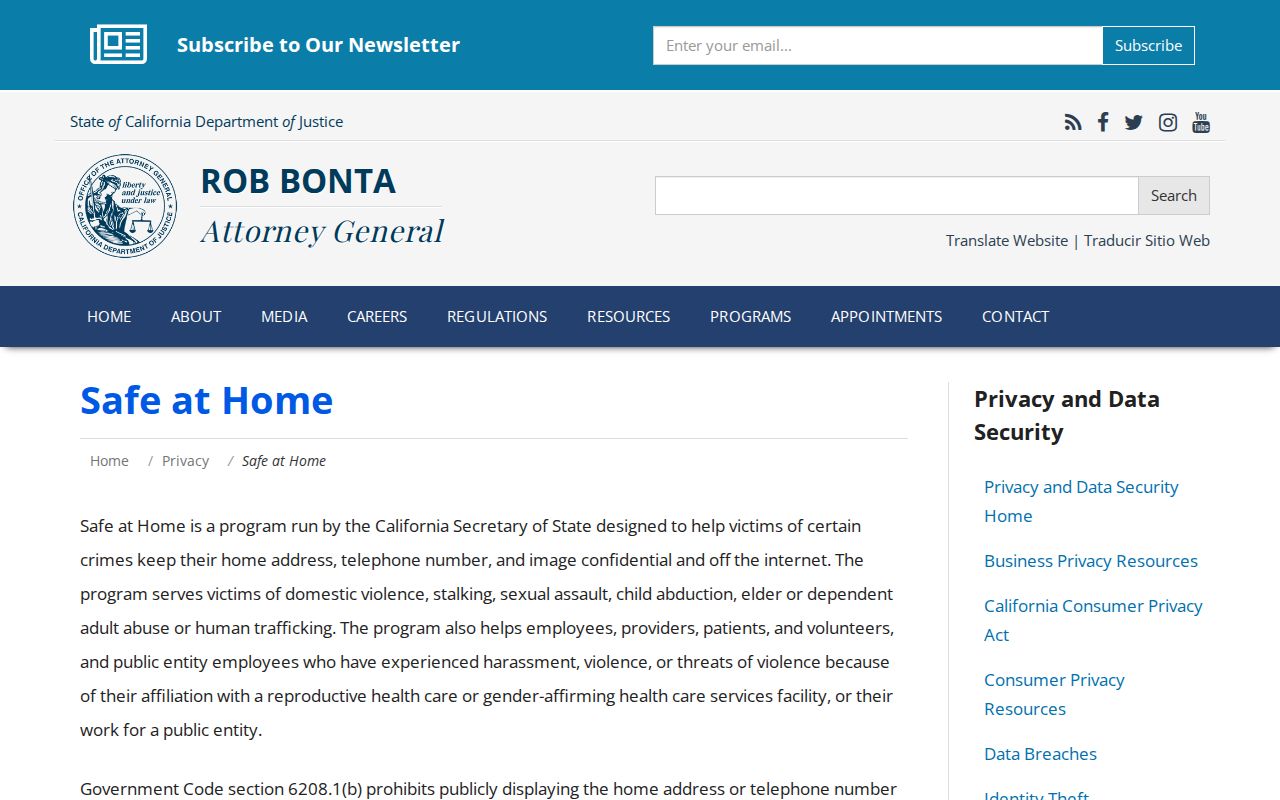
When a protected resident is absent from a block result, leave the gap in place and use the official program route for any lawful question.
Official Rolls Versus Neighbor Tools
Commercial compilation tools may merge public and private data, keep stale addresses, and hide the source of a match. They can be a lead at most, not proof that a person is a Lemon Grove neighbor. Official custodians expose a narrower record with a clearer purpose and a route for correction.
| Source type | Strength | Limit |
|---|---|---|
| SanGIS parcel map | Shows touching land and jurisdiction layers | Does not certify ownership or occupancy |
| ARCC property or deed record | Names an assessed owner or recorded party | Owner may not live at the situs address |
| Historical directory | Places a past occupant at a house number | Year gaps and abbreviations limit certainty |
| Commercial compilation | May suggest a lead across mixed data | Source, age, and identity match may be unclear |
California privacy rights may apply to covered businesses. The Attorney General’s CCPA guidance describes access, deletion, correction, and opt-out concepts, while the official record custodian remains the place to challenge a government record.
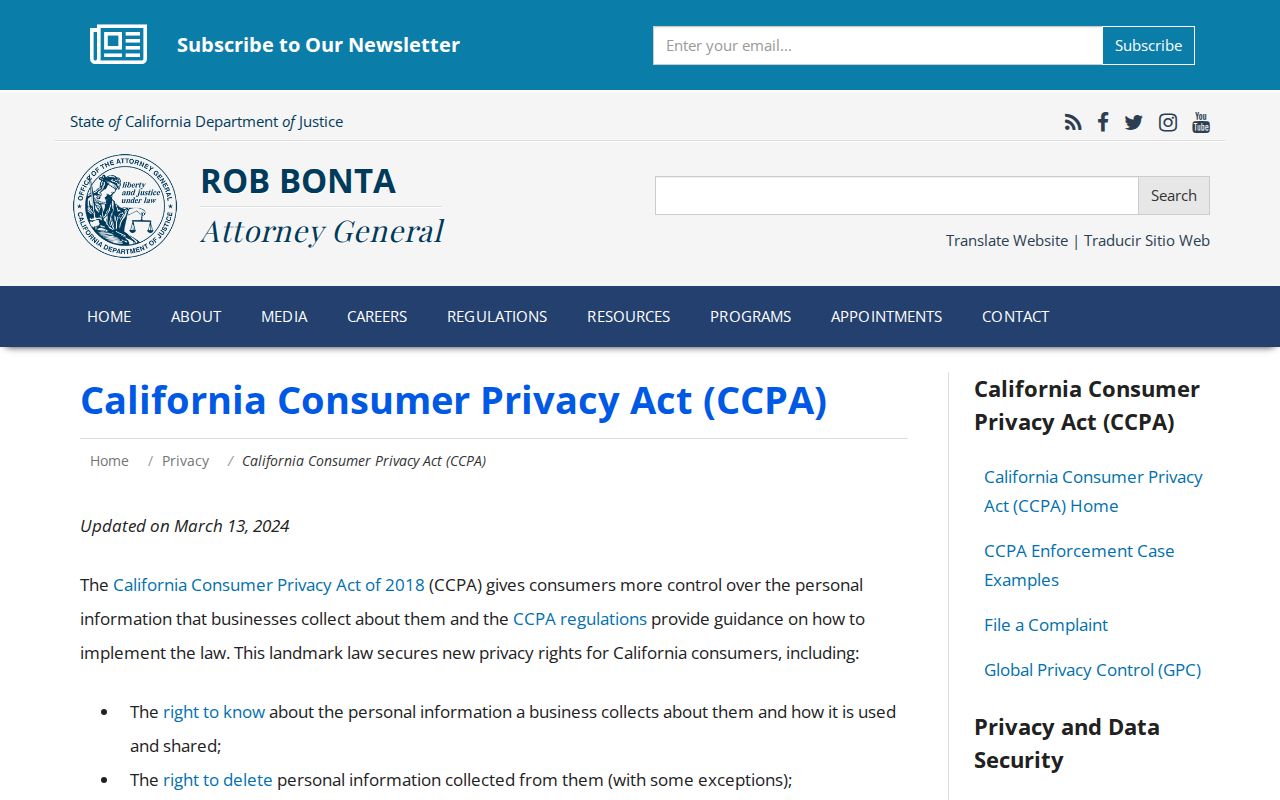
That split keeps a block lookup honest: correct a private compilation with the covered business, and verify a parcel, deed, or voter record with its custodian.
Privacy Limits on Lemon Grove Neighbors
A neighbor lookup cannot reveal a complete household. Renters, children, guests, utility customers, delivery records, and DMV addresses are not a public block list. A tax mailing address can point away from the land. A voter registration address is not a real-time occupancy guarantee. Safe at Home and other confidentiality measures can intentionally remove or mask an address.
Lawful use. Lemon Grove neighbor research belongs to block history, civic questions, reconnecting, and personal safety awareness. Do not use an address or name to watch, harass, intimidate, or repeatedly contact anyone; California law can impose criminal or civil consequences.